 +1.808.523.1650


 SIGN IN
 SIGN UP


View the latest
PITI-VITI News Items
Building Cultures of Accountability: APIPA Holds 36th Annual Conference in Saipan, CNMI September 2025
 10 October 2025
 Monique
 Instructor
.JPG)
David Bean
 Springfield, Illinois
Accounting 
David R. Bean, CPA, is the chief executive officer of Governmental Accounting Research, LLC, a consulting and training firm dedicated to public sector accounting and financial reporting activities. Prior to his retirement from the Governmental Accounting Standards Board (GASB), David served as the GASB director of research and technical activities for over 30 years.
Before joining the GASB, David worked in public accounting and government. He also has served as Deputy Chairman of the International Public Sector Accounting Standards Board (IPSASB). He was the lead author on the 1988 Governmental Accounting, Auditing and Financial Reporting (Blue Book) and was the founder of the GAAFR Review newsletter. He was the last director of the National Council on Governmental Accounting before the formation of the GASB in 1984.
David is a licensed CPA in Illinois and member of the Government Finance Officers Association, the Illinois Government Finance Officers Associations, the American Institute of Certified Public Accountants, the Illinois CPA Society, the AGA, the National Federation of Municipal Analysts, and the Municipal Analysts Group of New York.
David was inducted into the Accounting Hall of Fame in 2025 and the National Association of State Auditors, Comptrollers and Treasurers (NASACT) Hall of Fame in 2001.
 Scheduled Courses
Current Time Zone:
Change Time Zone
Scheduled Courses
Current Time Zone:
Change Time Zone

 September 07, 2026
 CPEs - 12 Credit Hours
-
 On-site
- Accounting
 ADD TO CALENDAR
 JOIN VIA ZOOM
 1:00 p.m. to 5:00 p.m.
 Pohnpei (GMT+11)
 FSM National Government
The Intermediate Accounting session will provide participants with an in-depth view into the world of governmental accounting. Topics to be addressed include deep dives into the financial reporting entity; accounting and financial reporting for cash and investments, including more complicated financial instruments; accounting and financial reporting for capital assets, including how to determine what to capitalize and how to determine useful lives, and the ins and outs of lease accounting; accounting for compensated absences; accounting and financial reporting for pensions and retiree healthcare benefits, and social security; accounting and financial reporting for debt, including amortization of premiums and discounts and refundings and extinguishments; accounting and financial reporting for other long-term liabilities; and fund balance and net position classification issues.
 VIEW ADDITIONAL DETAILS
- September 10, 2026
- CPEs - 8 Credit Hours
-
On-site
 Audit
Audit
8:00 a.m. to 5:00 p.m.
Pohnpei (GMT+11)
FSM National Government
The GASB Standards Update will provide participants with working knowledge of recently released standards of the Governmental Accounting Standards Board (GASB). Standards that will be addressed include financial reporting model improvements, including a detailed look at new guidance that has been provided to improve management’s discussion and analysis (MD&A) letter; disclosure requirements associated with capital assets held for resale and other capital asset disclosure requirements, and new guidance related to subsequent events (that is, those events that occur after the end of the fiscal year, but before the financial statements are available to be issued).
In addition, this session will bring participants up-to-speed on projects that currently are being deliberated by the Board or are being researched by the GASB staff. Those projects include infrastructure assets, going concern uncertainties and severe financial stress, revenue and expense recognition, voluntary digital financial reporting, and structure of standards (that is, original pronouncements versus Codification).
Finally, this session will devel into some of the more complex and unique features found in governmental accounting, including the application and explanation of deferred inflows and deferred outflows of financial resources, and demonstrate how to research governmental accounting issues.
- September 11, 2026
- CPEs - 4 Credit Hours
-
On-site
- Audit
8:00 a.m. to 12:00 p.m.
Pohnpei (GMT+11)
FSM National Government
The Performeter is an analytical tool that takes a government’s financial statements and converts them into useful and understandable measures of financial performance. The Performeter uses financial ratios and a copyrighted analysis methodology to arrive at an overall rating of 0-10, which indicates the overall financial health and performance of a government. Since 2002, PITI-VITI has been developing Performeters annually for each of the insular areas. As a result, cumulative data over many years is now available for each government.
 Past Courses
- September 11, 2025
- CPEs - 8 Credit Hours
-
On-site
- Audit

8:00 a.m. to 5:00 p.m.
CNMI (GMT+10)
 CNMI
CNMI
The GASB Standards Update will provide participants with a working knowledge of recently release standards of the Governmental Accounting Standards Board (GASB).
- September 08 - 09, 2025
- CPEs - 12 Credit Hours
-
On-site
- Accounting
1:00 p.m. to 5:00 p.m.
CNMI (GMT+10)
CNMI
The Intermediate Accounting session will provide participants with an in-depth view into the world of governmental accounting.
- August 29, 2024
- CPEs - 8 Credit Hours
-
On-site
 Finance
8:00 a.m. to 5:00 p.m.
Palau (GMT+9)
 Palau
Palau
The Performeter is an analytical tool that takes a government’s financial statements and converts them into useful and understandable measures of financial performance. The Performeter uses financial ratios and a copyrighted analysis methodology to arrive at an overall rating of 1-10, which indicates the overall financial health and performance of a government. Since 2002, PITI-VITI has been developing Performeters annually for each of the insular areas. As a result, multiple years of cumulative data is now available for each government. In addition to being able to track overall scores, the Performeter can also be used to track individual trends within ratios: Net Position, Fund Balances, Revenue Dispersion, Intergenerational Equity, etc. This session will describe the Performeter tool, highlight recent results by insular area, and consider next steps for island governments' financial health and performance.
This session will also take a detailed look into more recent GASB standards that have been issued and are either applicable or will be in the near future, including GASB 87 on Leases, GASB 96 related to Subscription-Based Information Technology Arrangements (SBITA), Statement 94 on Public-Private or Public-Public Partnerships (P3s), Statements 100-103, and including the financial reporting model improvements. In addition, this session will take a look at the future of standard-setting and where the GASB will most likely be going next.
- June 20, 2023
- CPEs - 8 Credit Hours
-
On-site
- Accounting
9:00 a.m. to 1:00 p.m.
US Virgin Islands (GMT-4)
 US Virgin Islands
Several new GASB accounting standards have recently became effective that alter the historical landscape of how lease accounting has always been performed (GASBs 87 and 96). In addition, a new GASB accounting standard has also been issued related to the accounting and financial reporting of public-private and public-public partnerships (GASB 94). GASB 87 not only does away with the methodology of previous accounting for leases, but also introduces new concepts for what a lease is, and even more importantly what is not a lease, and also provides new guidance on how to determine the true “term” of a lease for accounting and financial reporting purposes.
Other Instructors

Robert Adachi
Oakland, California

Bernard Adiniwin
Republic of Marshall Islands
.png)
David Apatang
Saipan, CNMI

Michael Barsabal
Philippines

Margie P. Bastolla
Orlando, FL

Katelyn Bell
Denver, CO

Jeffrey Berlin
Hawaii

Michael Binder
Washington, District of Columbia

Michael Bingham
Washington DC
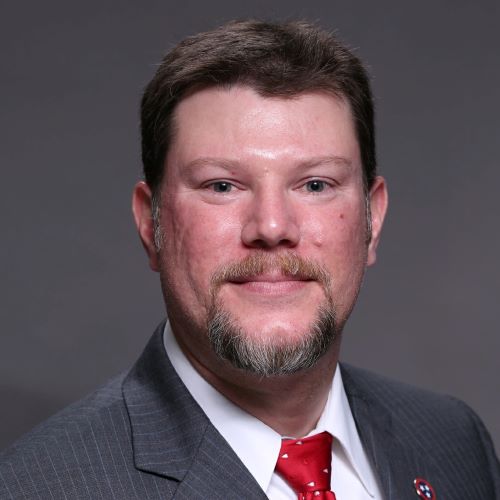
Gerry Boaz, CPA, CGFM, CGMA
Tennessee
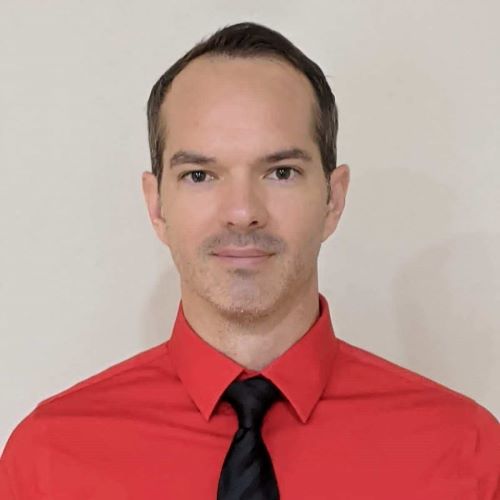
Scott Cahoon
Guam
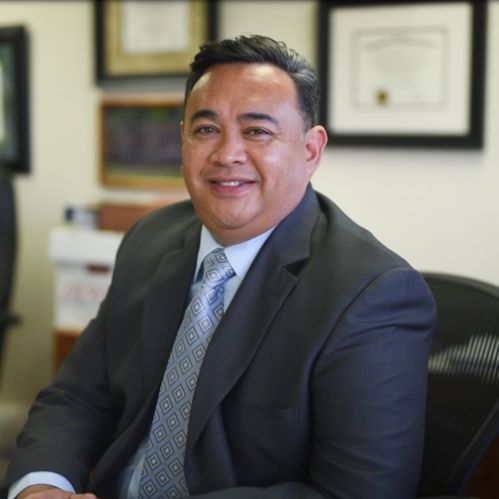
Vince Camacho, Esq.
Guam
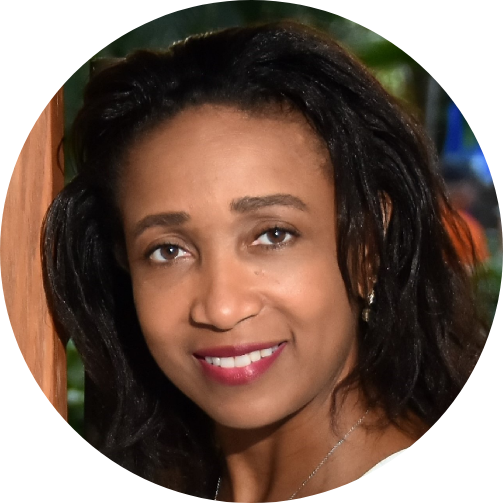
Clarissa Corbin, PMP
Williamsburg, Virginia

Frank Crawford
Oklahoma City, Oklahoma
Doreen Crisostomo, Ph.D., CGFM, CFE, CICA
Guam
Benjamin Cruz, JD
Guam
Angel A. Demapan
Saipan, CNMI
Steve Determan
Lakewood, CO
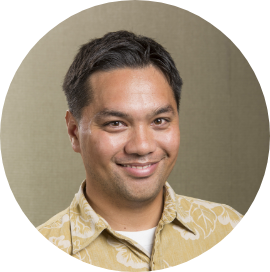
Vince Duenas
Guam
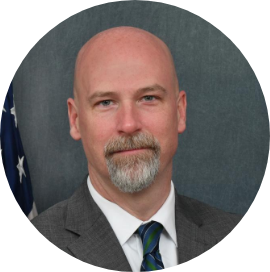
Matt Elliott
Washington, DC
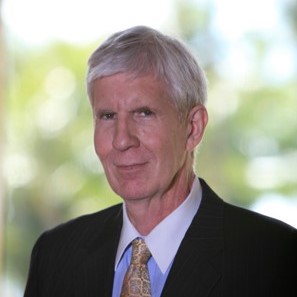
Daniel Fitzgerald, CPA
Guam

Emil Friberg
Washington, DC

Mark Funkhouser
West Virginia

Glenn Furuya
Honolulu, Hawaii
3.png)
Mark Lee Greenblatt
Washington, D.C.
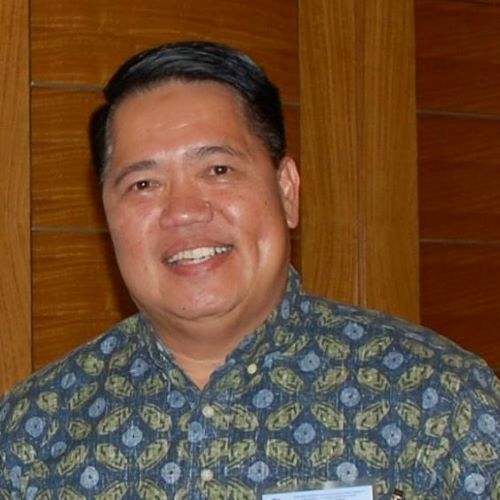
Jose Guevara, III, CGFM, PMP, MBA
Guam

Manny Hechanova
Guam
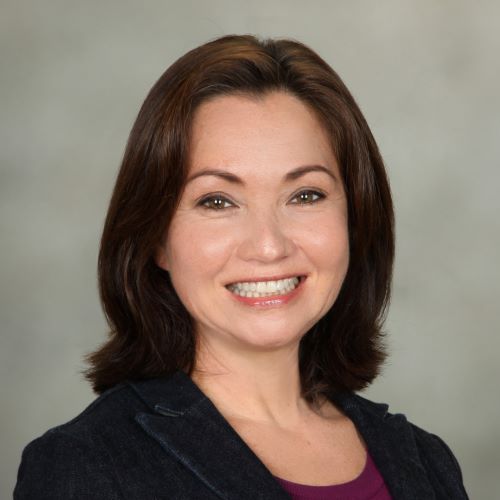
Yuka Hechanova, CPA, CIA, CGFM, CGAP, CGMA
Guam

Jerrick Hernandez, MA, CGAP, CICA
Guam
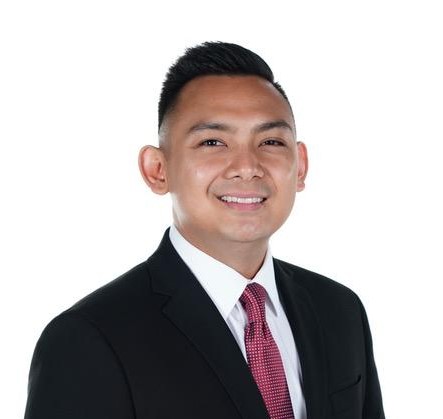
Artemio "Ricky" Hernandez, Ph.D., CGFM
Guam
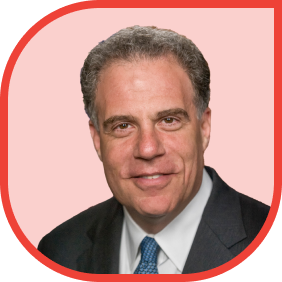
Michael E. Horowitz
Washington DC

David House
Denver, Colorado

Kerri Hunter
Denver, CO

William Hunter
Saipan, CNMI
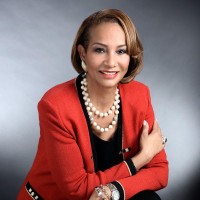
Le'Angela Ingram
Baltimore, MD
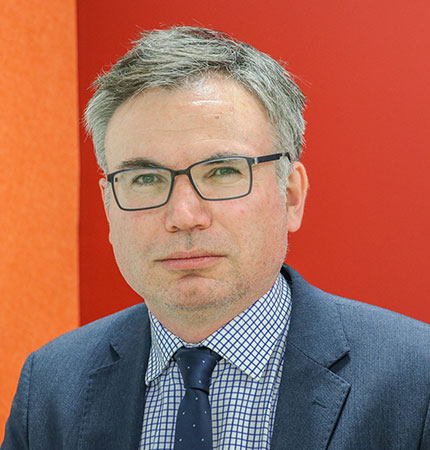
Nick Johnston
Auckland, NZ

Kino Kabua
Republic of Marshall Islands

Drummond Kahn
Portland, Oregon
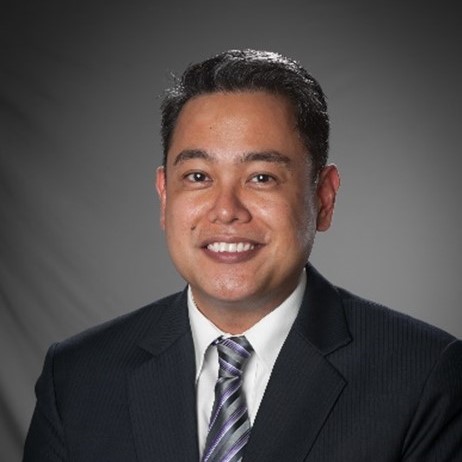
Jason Katigbak, CPA, CIA, CFE, CGMA
Guam

Karden Kelly
Anchorage, AK
Muhammad Khalid
Punjab
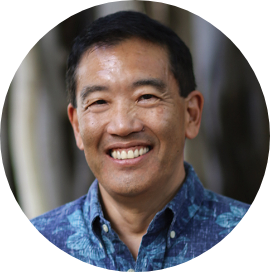
Les Kondo
Honolulu, HI

Katharine Kovacek
Denver, Colorado

Dan Kowalski
Ogden, NJ
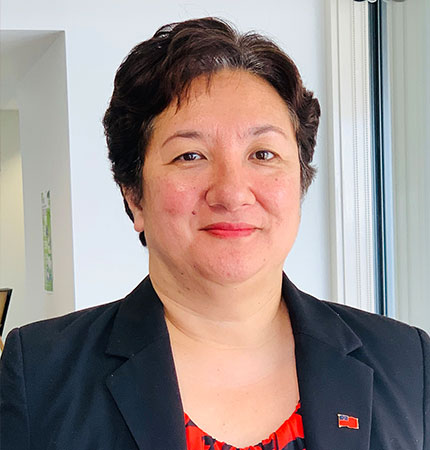
Esther Lameko-Poutoa
Auckland, New Zealand
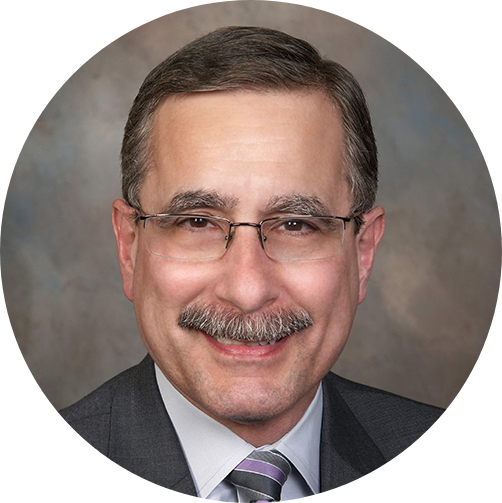
Robert Lavigna
Madison, Wisconsin

Amin Leiman, PMP, CPC, SDC, SMC, CISA, ,MSBA, MBA
Los Angeles, California
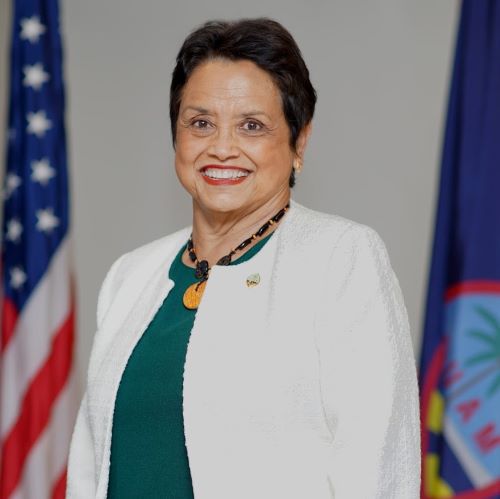
Lourdes A. Leon Guerrero
Guam
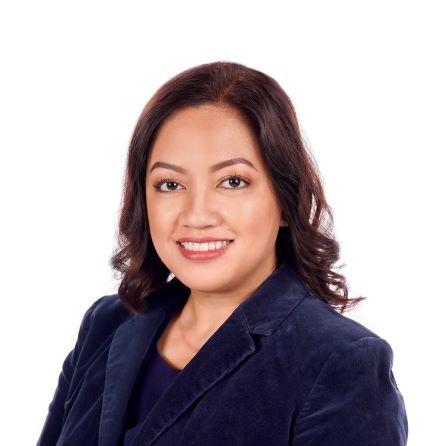
Daphne Leon Guerrero, SHRM-SCP, CAPM
Guam

Stefani S. Levesque
Denver, CO

Sarah Markley
Auckland, NZ
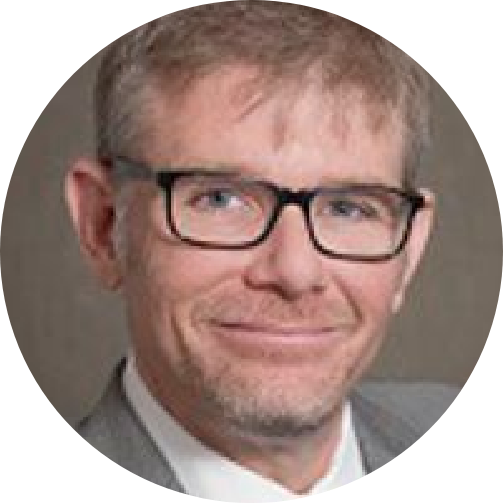
Kip R. Memmott
Salem, OR
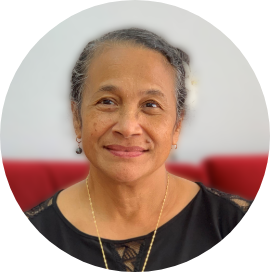
Anna Mendiola
FSM National
-modified1.png)
Debbie Milks
Lawrence, Kansas

Nicki Miller
Washington, DC

Jason Mitchell
Pago Pago, AS

Billy Morehead, Ph.D., CPA, CGFM
Madison, MS

Mark Morgan, Ph.D., CPA, CFE
Madison, MS
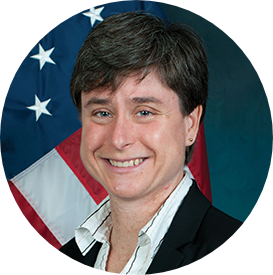
Susan Murphy
Boston, MA
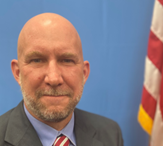
Eric S. O'Malley
Saipan, CNMI

Mary Okada, Ed.D.
Guam
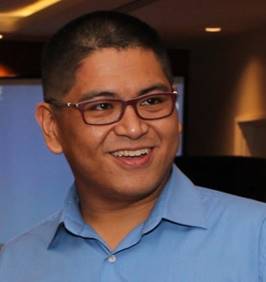
Rizalito "RG" Paglingayen, CPA
Guam
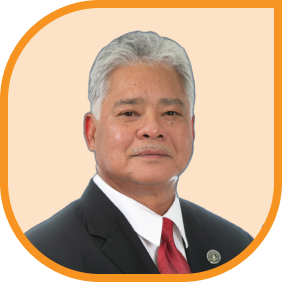
Arnold Palacios
Saipan, CNMI

Pilar Pangelinan
Guam
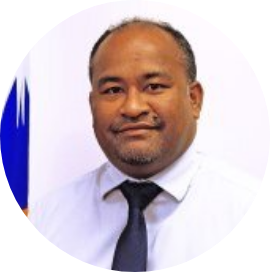
Junior Patrick
Republic of Marshall Islands
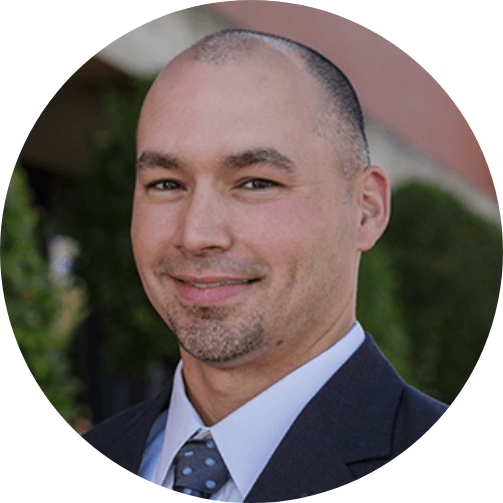
Christopher Pembrook
Oklahoma City, OK
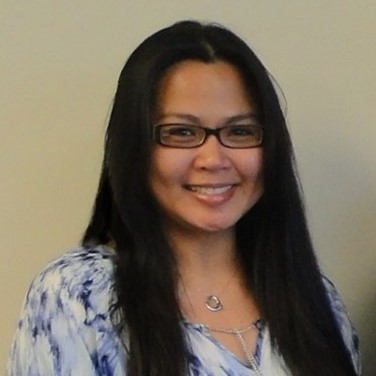
Maripaz Perez, CGFM, CGAP, CICA, CIA, CFE
Guam

Lillian Perez-Posadas, MN, RN
Guam

Skip Polson
Durham, NC
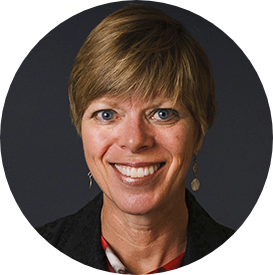
Dianne Ray
Denver, CO
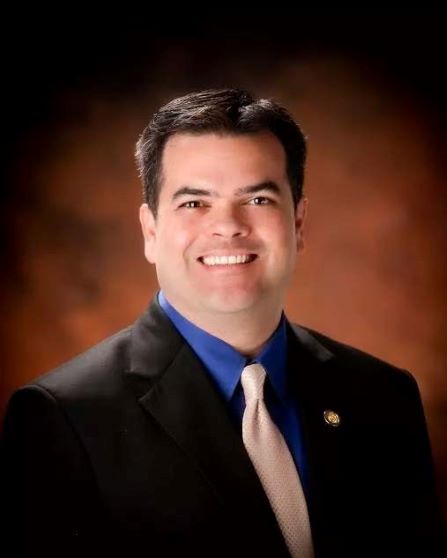
Rory J. Respicio
Guam
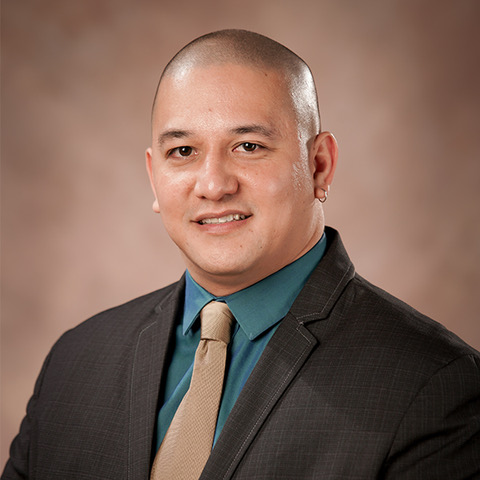
John J. Rivera, Ph.D., AIF, CFE, CM, SHRM-SCP
Guam
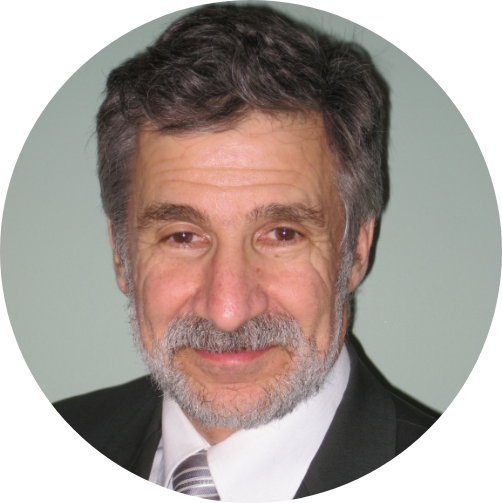
Martin Ruben
Charlottetown, PEI

David Rykken
Washington, District of Columbia
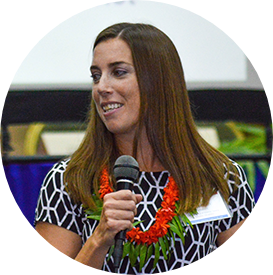
Beth Schubert
Denver, Colorado

Kathleen Sedney
Washington DC

Seitu Stephens
Philadelphia
Mark Sturton
United Kingdom
Pending Traveler
NY

Terry VanEaton
American Samoa
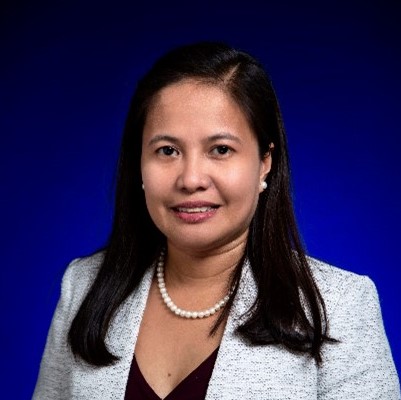
Josephine Villanueva, CPA, CGMA, CGFM, CSAF, SHRM-CP, PMP
Guam

Mizpah Wiegand, CPA
Guam

Jeanne Yamamura
Reno, Nevada
 Photo Gallery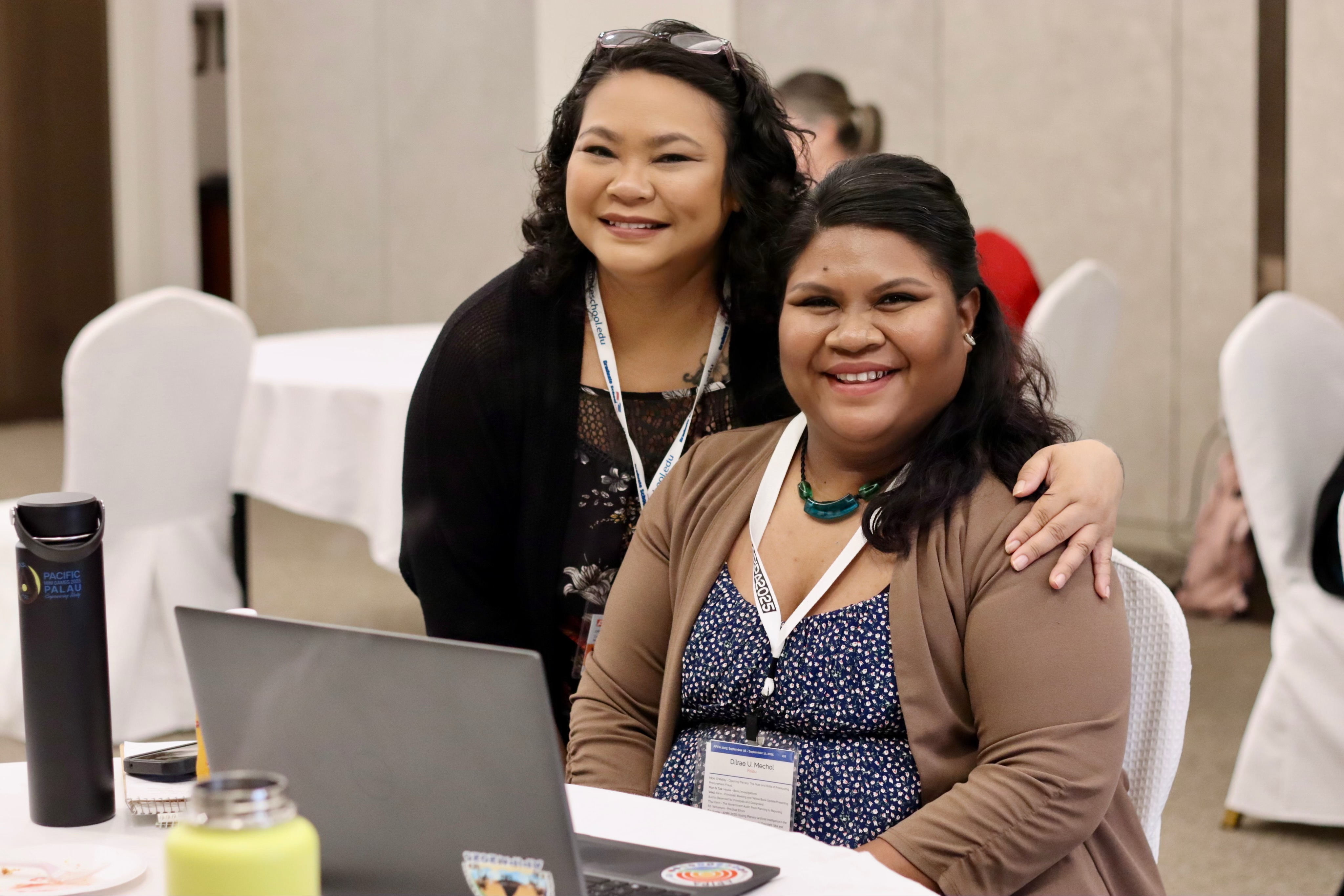
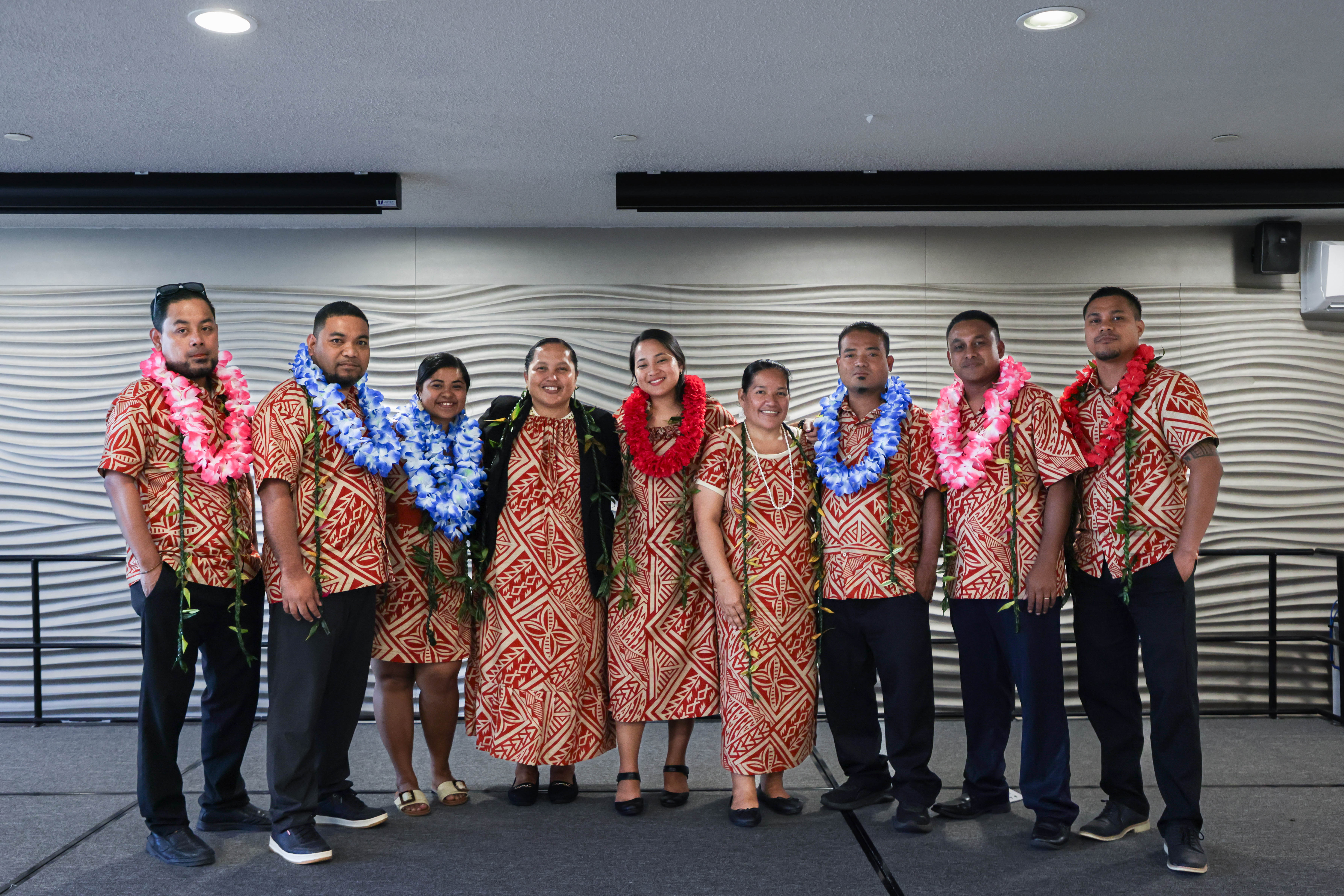

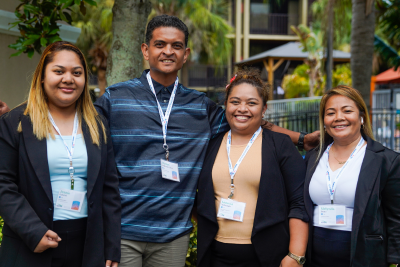
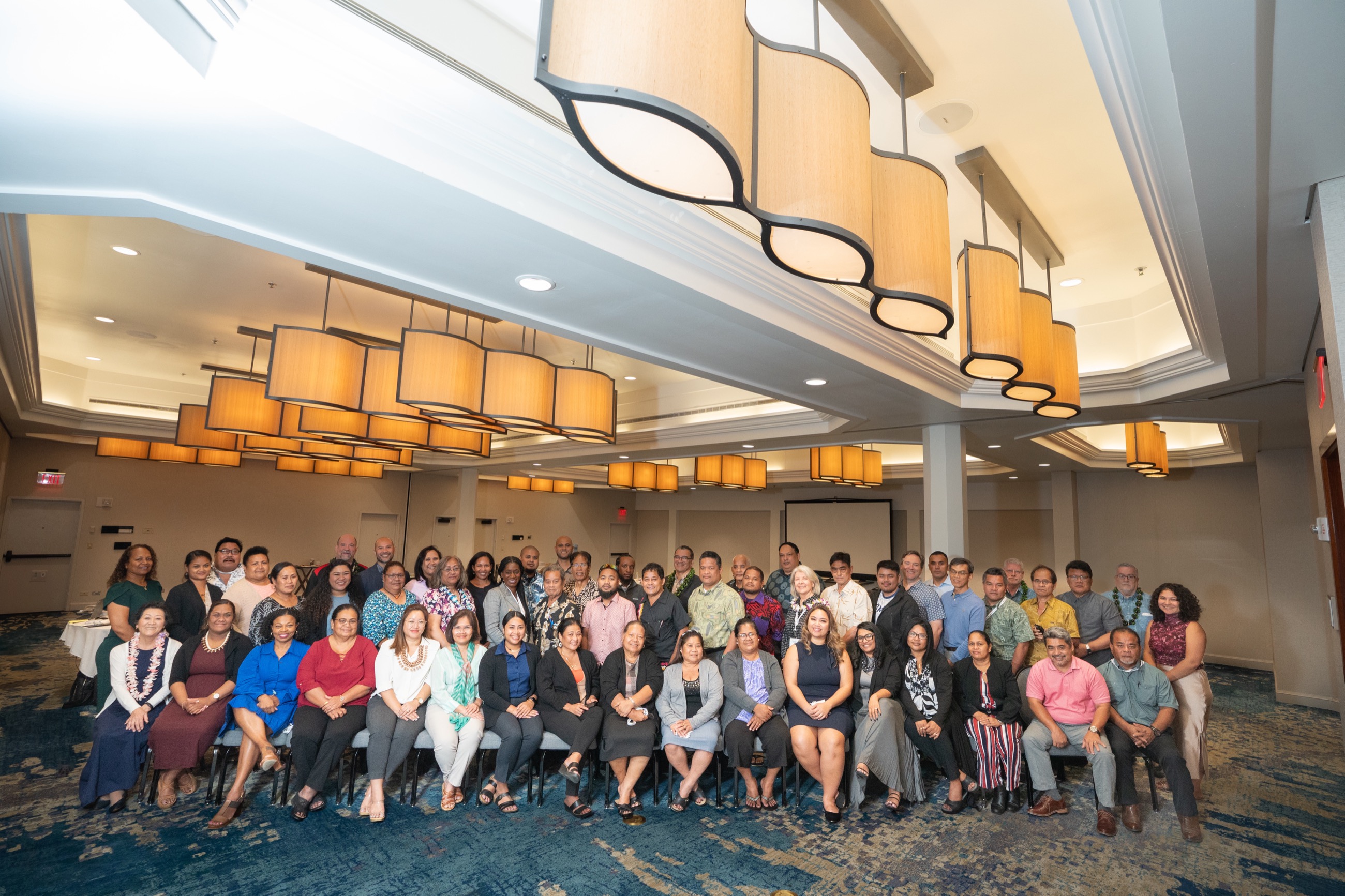


 COMPLETE GALLERY
 HOME
HOME NEWSROOM
 INITIATIVES
 CONFERENCES
 TRAINING
 ABOUT PITI-VITI
 CONTACT
 ACCESSIBILITY


 +1.808.523.1650

 900 Fort Street Mall, Suite 1540
 ©2015-2026
Pacific & Virgin Islands Training Initiatives (PITI-VITI), Graduate School USA
 PITI-VITI is supported by the U.S. Department of the Interior's Office of Insular Affairs.
 Reset Password
 Chat
Chat
 Email
Email


 ACKNOWLEDGE
 READ FULL WAIVER
 Continue